Find Your Perfect Pantry Storage Cabinet: A Buyer's Guide
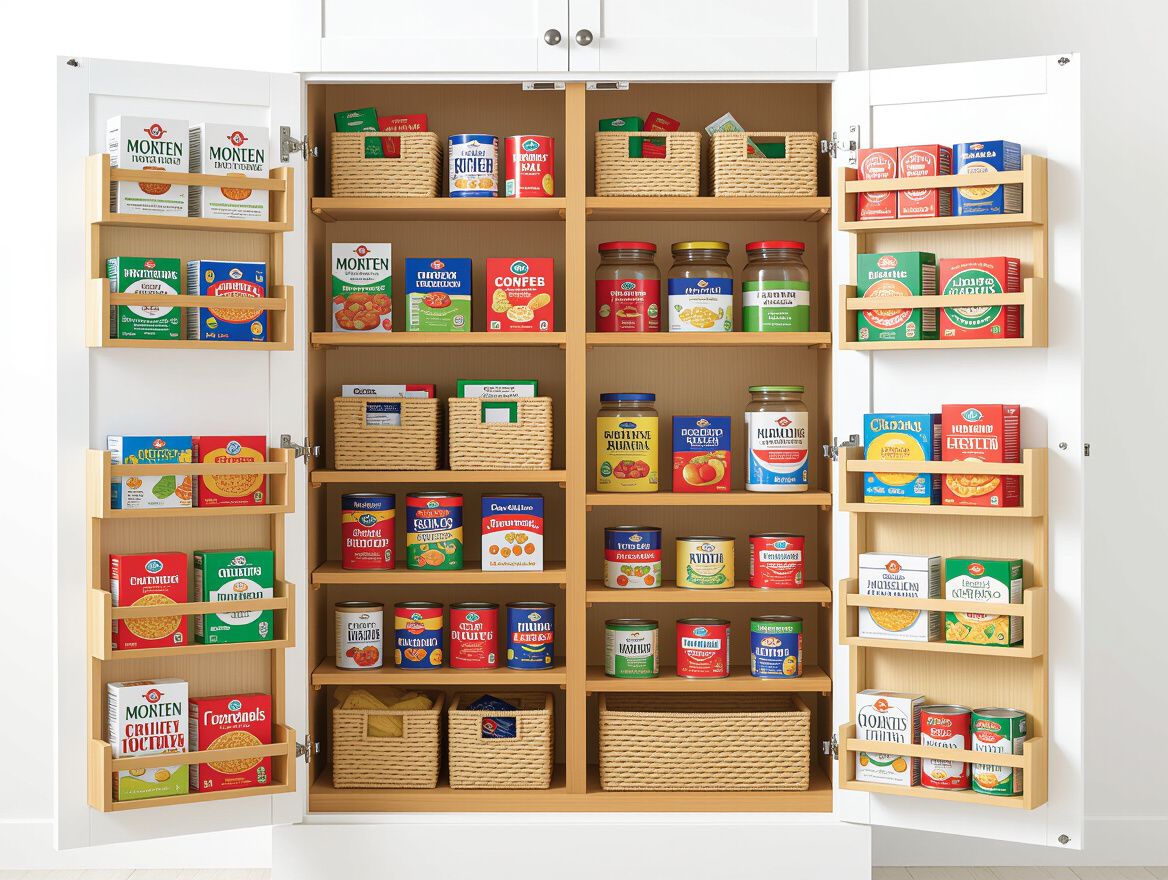
Find your perfect pantry storage cabinet with our buyer's guide, covering types, materials, dimensions, and features for optimal kitchen organization.
How to Choose the Right Pantry Storage Cabinet
A well-organized kitchen is the heart of a functional home. Among the most impactful elements for achieving this order is the pantry storage cabinet. Whether you're wrestling with overflowing shelves or simply looking to enhance your kitchen's aesthetic appeal, selecting the right pantry storage cabinet can be a game-changer. This comprehensive guide will walk you through every consideration, from understanding the different types available to identifying the features that best suit your needs, ensuring you find the perfect solution for your kitchen storage.
I. Understanding Pantry Storage Cabinets
At its core, a pantry storage cabinet is designed to provide dedicated, organized space for food items, kitchenware, and other essentials. It’s more than just a box with shelves; it's a strategic tool for maximizing kitchen efficiency and minimizing clutter.
A. Defining the Pantry Storage Cabinet
A pantry storage cabinet, often referred to as a food pantry or kitchen pantry cabinet, is a freestanding or built-in unit specifically designed to house groceries, canned goods, dry ingredients, and sometimes small appliances. Its primary functions are to:
- Organize: Grouping similar items together makes finding what you need quick and effortless.
- Maximize Space: Efficiently utilizes vertical and horizontal space within your kitchen.
- Improve Accessibility: Keeps items visible and within easy reach, reducing the need to rummage.
B. The Problem of Pantry Chaos
Many kitchens suffer from what can be termed "pantry chaos." This often manifests as:
- Cluttered Counters: Storing non-perishable food items on countertops eats up valuable prep space.
- Overstuffed Existing Cabinets: Standard kitchen cabinets quickly become overwhelmed with dry goods, leading to items being lost or forgotten at the back.
- Expired Food: Without a clear system, it's easy to buy duplicates or let items expire unnoticed.
- Difficulty Finding Ingredients: This slows down meal preparation and can be a source of daily frustration.
C. The Solution: Finding Your Perfect Pantry Storage Cabinet
A well-chosen pantry storage cabinet is the elegant solution to these common kitchen dilemmas. It provides a dedicated, structured environment that brings order and accessibility to your food supplies. Investing in the right storage cabinet isn't just about tidiness; it's about creating a more enjoyable and efficient cooking and living space. It transforms a source of clutter into a focal point of organization and potentially a stylish addition to your kitchen's decor.
II. Key Considerations When Choosing a Pantry Storage Cabinet
Selecting the ideal pantry cabinet involves evaluating several critical factors that influence its functionality, durability, and aesthetic integration into your kitchen.
A. Type of Pantry Cabinet
The first decision is the basic structure and installation method of the cabinet.
- Freestanding pantry cabinets: These are versatile, standalone units that can be placed anywhere in the kitchen or even other rooms.
- Benefits: Offer flexibility and can be moved if you rearrange your kitchen or relocate. They don't require permanent installation.
- Drawbacks: May require anchoring to a wall for stability, especially taller units. Their appearance might be less integrated than built-in options.
- RTA (Ready-to-Assemble) cabinets: These come flat-packed and require assembly by the user.
- Advantages: Typically more affordable than pre-assembled or custom cabinets; easier to transport home.
- Disadvantages: Assembly can be time-consuming and may require specific tools. Durability can sometimes be a concern depending on the quality of materials and construction.
- Built-in or custom options: These are designed to fit seamlessly into your kitchen's existing cabinetry, offering a highly integrated look.
- Pros: Provide a custom fit and a cohesive design.
- Cons: Significantly more expensive and permanent; require professional installation.
B. Materials Matter
The material of your pantry storage cabinet dictates its durability, appearance, and price point.
- Solid wood cabinets: Options like oak, maple, cherry, or pine are known for their robustness and natural beauty.
- Pros: Exceptionally durable, can be refinished, and offer a premium aesthetic.
- Cons: Most expensive option, can be heavy, and may expand or contract with humidity changes.
- Particle board/MDF cabinets: These composite wood products are common in more budget-friendly furniture.
- Pros: Affordable and widely available.
- Cons: Less durable than solid wood or plywood; susceptible to moisture damage and can be prone to sagging under heavy loads.
- Plywood cabinets: Constructed from thin layers of wood veneer glued together, plywood offers a good compromise.
- Pros: More durable and stable than particle board/MDF, resistant to warping and splitting, and offers good structural integrity.
- Cons: Can be more expensive than composite boards but generally less than solid wood.
- Laminate/Veneer finishes: These are applied to composite wood bases to mimic the look of wood or other materials.
- Pros: Easy to clean, available in a wide range of colors and patterns, and can be more affordable.
- Cons: Can chip or peel over time, especially at edges, and cannot be refinished like solid wood.
C. Dimensions and Space
Careful measurement and consideration of your kitchen's layout are crucial to ensure the storage cabinet fits perfectly and serves its purpose.
- Tall kitchen cabinets: These units maximize vertical space, offering significant storage capacity without taking up excessive floor area. They are ideal for smaller kitchens or for those needing extensive storage.
- Compact pantry cabinets for small kitchens: Designed with narrower depths and widths, these are perfect for limited spaces. They can fit into nooks or awkward corners, providing essential storage without overwhelming the room.
- Width and Depth considerations: Measure the intended space accurately. Ensure the cabinet's width allows for comfortable passage and that its depth accommodates your typical pantry items, such as cereal boxes, cans, and bottles, without items getting lost at the back. Consider internal shelf depth.
D. Design Style and Aesthetics
The pantry storage cabinet should complement your existing kitchen decor.
- Popular Styles:
- Shaker: Characterized by clean lines and a simple, recessed center panel. Versatile and suits most kitchen styles.
- Raised Panel: Features a center panel that is raised, adding a more traditional and formal look.
- Flat Panel/Slab: Modern and minimalist, with smooth, flat doors and drawers.
- Distressed/Farmhouse: Often features a worn or rustic finish, enhancing a cozy, country aesthetic.
- Color Options:
- White pantry storage cabinets: Brighten the kitchen and create a sense of spaciousness.
- Espresso/Dark Wood Tones: Add warmth and sophistication.
- Grey: Offers a modern, neutral, and versatile option.
- Specialized Finishes: Matte, high-gloss, or textured finishes can add unique character.
III. Essential Features for Optimal Pantry Storage
Beyond the basic structure, specific features can dramatically enhance the usability and organization of your pantry storage cabinet.
A. Adjustable Shelving
The ability to customize shelf height is paramount for versatility.
- Importance: Adjustable shelving allows you to reconfigure the cabinet’s interior to fit items of varying heights, from tall bottles to short spice jars. This flexibility ensures no space is wasted.
- Adjustment Types: Common systems include metal pins that fit into pre-drilled holes along the cabinet’s interior, or clip-based systems.
- Benefits: Maximizes usable space, accommodates future needs, and makes it easier to organize a wide array of items. Look for a pantry cabinet with adjustable shelves for the best long-term utility.
B. Drawer Space
Drawers offer excellent accessibility and organization for smaller items.
- Types and Benefits:
- Full-extension drawers: Allow you to pull the drawer out completely, providing full access to its contents.
- Deep drawers: Ideal for storing heavier items or larger appliances.
- Shallow drawers: Perfect for organizing spices, baking supplies, or utensils. A solid wood pantry cabinet with drawers often offers superior durability and smooth operation.
C. Door Styles and Configuration
The doors affect both the cabinet's appearance and how you access its contents.
- Solid Doors: Conceal items, providing a clean and uncluttered look. Ideal for hiding less aesthetically pleasing packaging or for a more traditional feel.
- Glass Doors: Can make the pantry feel more open and allow you to see contents easily. Different glass types, like frosted or reeded, offer varying degrees of transparency and style. A white pantry storage cabinet with glass doors can be a striking feature in a modern kitchen.
- Door Swing: Consider whether left-hinged or right-hinged doors are more practical for your kitchen layout and workflow.
D. Interior Organization Features
Many cabinets come with or can accommodate built-in organizational aids.
- Pull-out shelves/baskets: Make accessing items at the back of deep cabinets effortless.
- Spice racks: Keep your spices organized and visible. Can be mounted on doors or shelves.
- Wine racks: For those who store wine or other bottles.
- Tiered shelving: Creates multiple levels within a shelf for better visibility of cans and jars.
IV. Maximizing Your Kitchen Storage with the Right Cabinet
The strategic placement and selection of a pantry storage cabinet can revolutionize how you use your kitchen space.
A. Strategies for Small Kitchens
In limited spaces, every inch counts. Focus on:
- Compact pantry cabinets for small kitchens: Opt for narrower and shallower units that fit into tight corners or alcoves.
- Vertical space: Utilize tall kitchen cabinets to store more without encroaching on floor space.
- Multi-functional units: Look for cabinets that combine shelving with drawers or even a small countertop section.
B. Optimizing Space in Larger Pantries
Even with ample space, organization is key.
- Tall pantry cabinets for kitchens: Stack items vertically to consolidate storage and keep the kitchen floor clear.
- Modular systems: Use multiple cabinets or individual storage units that can be arranged as needed.
- Deep shelves and drawers: Ensure that items are accessible even in the deepest parts of the cabinet.
C. Specific Cabinet Recommendations & Use Cases
- For those prioritizing aesthetics and ease of cleaning, a white pantry storage cabinet with glass doors can enhance kitchen brightness.
- Durability is key for heavy-duty use? A solid wood pantry cabinet with drawers offers robustness and smooth functionality.
- Flexibility is crucial for changing needs? A freestanding pantry with ample adjustable shelving provides adaptability.
- Budget is a primary concern? RTA cabinets offer an affordable entry point into improved kitchen storage solutions.
V. Where to Buy and What to Expect
Understanding the purchasing landscape can help you find the best value and service.
A. Retailer Types
- Big Box Stores (e.g., IKEA, Home Depot, Lowe's): Offer a wide selection of RTA and freestanding options at competitive prices. Good for budget-conscious shoppers.
- Furniture Stores: May carry more pre-assembled, higher-end, or decorative storage cabinets.
- Online Retailers (e.g., Wayfair, Amazon): Vast selection, often with detailed reviews and competitive pricing. Shipping costs and return policies are key considerations.
- Specialty Kitchen Stores: Offer higher quality, potentially custom or semi-custom options, with expert advice but at a higher price point.
B. Price Ranges
The cost of a pantry storage cabinet varies significantly based on material, size, brand, and features. Basic RTA cabinets can start from under $200, while solid wood, custom-built units can cost several thousand dollars.
C. Assembly and Installation
- DIY Assembly: Most RTA cabinets are designed for home assembly. Ensure you have the necessary tools and time. Follow instructions carefully.
- Professional Installation: For built-in units or if you prefer not to assemble yourself, professional installation is recommended.
- Safety: Always anchor taller or freestanding cabinets to the wall to prevent tipping hazards.
D. Maintenance and Care
- Wood: Clean with a soft, damp cloth. Avoid harsh chemicals. For solid wood, occasional waxing can maintain its finish.
- Laminate/MDF: Wipe clean with a damp cloth and mild soap. Avoid excessive moisture.
- Glass: Use a standard glass cleaner.
VI. Conclusion
Choosing the right pantry storage cabinet is a significant step towards a more organized, functional, and aesthetically pleasing kitchen. By carefully considering the type, materials, dimensions, features, and your specific needs, you can find a solution that not only stores your items efficiently but also enhances your daily kitchen experience.
A. Recap of Key Takeaways
The journey to finding the perfect cabinet involves: assessing your space and needs, choosing between freestanding or RTA options, selecting durable and appropriate materials, prioritizing functional features like adjustable shelving and drawers, and matching the design to your kitchen's style.
B. The Transformative Power of the Right Pantry Storage Cabinet
A well-chosen pantry storage cabinet can alleviate clutter, make meal preparation more efficient, and contribute significantly to the overall harmony and beauty of your kitchen. It’s an investment in your home's functionality and your peace of mind.
C. Final Advice for Making Your Purchase
Before you buy, measure your space meticulously. Read customer reviews for insights into assembly and durability. Consider your long-term needs and how your storage requirements might evolve. With careful consideration, your new kitchen pantry cabinet will undoubtedly become one of your kitchen’s most valued assets.